As a diocesan priest I write these words from a place of humility. My faith stands firm and my prayer continues without cease yet a deep moral confusion presses upon me each day. I do not speak against any religious authority for I am part of the same structure that formed me and that I still serve with joy. I seek only clarity given the conditions in which I find myself and I look for enlightenment from the Holy Spirit.
I have long studied the thought of Albert Camus. He described philosophical suicide as the act of escaping the absurd by leaping into some false certainty or by denying the tension of existence itself. Camus insisted that one must confront the silence of the universe without illusion. In my own heart I ask whether my repeated prayer that God take me while I am still in active service might itself be a form of spiritual suicide. The question troubles me and I cannot easily dismiss it.
I serve the people of God with gladness. The daily tasks of preaching, the sacraments and pastoral care still bring me great satisfaction. Yet when I look toward the years that may lie ahead, I see no clear place for myself. I have a sister yet things are difficult. The practical realities of life leave little room for reliable support when strength fades. The future of family life seems to hold no ready provision for an aging priest who can no longer manage alone. Within the diocese, I also sense that the years of full strength will end and that the structure of ministry offers little provision for the frailty that follows. These are not accusations. They are simply the conditions I observe while remaining inside the same household of faith.
The fear that shapes my prayer is concrete. If I live beyond the limits of my human capacities, I will need an attendant for ordinary daily needs. I cannot pay for such care. The prospect of becoming helpless fills me with a quiet dread. Therefore I ask God in the silence of prayer to take me before retirement and before that helplessness arrives. I do not wish for death out of despair. I wish to remain useful and to avoid burdening others. Still the moral question returns: does this petition amount to spiritual suicide?
Camus would perhaps say that any flight from the full length of life is a refusal of the absurd. Yet I am not a philosopher standing outside belief. I am a priest who trusts that life and death remains in the hands of God. My prayer is addressed to the One who gave me life and who alone decides its measure. I do not seek to end my days by my own hand. I ask only that the Lord who called me may also call me home while strength remains. Between these two realities, my conscience remains unsettled.
I feel the weight of family circumstance with particular sharpness. Though I have a sister the difficulties that surround ordinary life make shared care uncertain. There is no easy path of succession or support that can be assumed. At the same time ,the diocese I serve has its own needs and its own limits. I do not blame the structure. I simply note that the combination of these two realities leaves me without a clear horizon. The result is a persistent sense that the future has no ready place for me. Yet God is more.
In the midst of this confusion, my faith does not waver. I continue to celebrate the Eucharist with attention. I continue to hear confessions and to visit the sick. Prayer remains the center of each day. I recite the hours and I place myself before the Blessed Sacrament. The strength of that prayer is real. I teach philosophy with joy and love.Yet the content of one recurring petition troubles me. I ask whether the Holy Spirit might be inviting me to a different trust, a trust that accepts whatever length of life is given and finds grace even in dependence. I do not yet know the answer.
I wonder how many other priests stand in a similar place. How many men who once entered seminary with clear joy now face the quiet fear of extended years without resources or companions? How many feel the same moral tension between the desire to remain useful and the dread of becoming a burden? I do not claim to speak for them. I only sense that the conditions of modern life and the particular shape of diocesan service can press a man toward prayers that feel uncomfortably close to spiritual suicide. The pressure is rarely spoken aloud. It remains hidden beneath the ordinary language of vocation and sacrifice.
I refuse any posture of arrogance. I am not wiser than the tradition that formed me. I am not more faithful than the Bishops and brother priests who carry heavier loads. I am simply a man who finds himself confused. The confusion is not rebellion. It is the honest admission that the future appears narrow and that the body may outlast the capacity to serve without help. In that admission I turn again to the Holy Spirit. I ask for light upon the nature of my prayer. I ask whether the petition to be taken early is a failure of hope or whether it is a legitimate entrustment of the end to the One who alone knows the right hour.
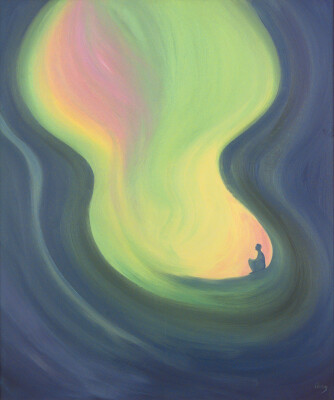
The days continue. I rise and I pray. I go to the altar and I return to my room. I go to the classroom and return.The moral question remains present like a disturbing companion. I do not resolve it by force. I hold it before God and I wait. Camus taught that one must live without appeal to false consolation. I accept that teaching in part. Yet I also believe that the silence of the universe is not the final word. The silence is broken by the Word who became flesh and who still speaks through the Spirit. It is to that Spirit that I direct my confusion.
I write these lines without any claim to special insight. They are only the record of a priest who remains inside the same structure that ordained him and who continues to serve with the same vows. My faith is strong. My prayer is constant. My moral uncertainty is real. I ask the Holy Spirit for enlightenment so that the petition I offer each day may be purified of any hidden despair and may become pure trust. Until that light arrives I continue to walk the ordinary path of ministry while carrying the weight of futute difficulty and the fear of a long helplessness, I cannot afford. I wonder still whether asking to be taken early is itself a form of spiritual suicide. I remember my friend and companion Fr. John.
May the same Spirit who once called me grant the clarity I seek. May every priest who shares a similar silence find the same grace. I remain part of the body. I remain a servant. I remain confused yet hopeful that the light will come and take away all confusion. Above all I take my, priestly life that says thy will be done becomes true and real in every possible way