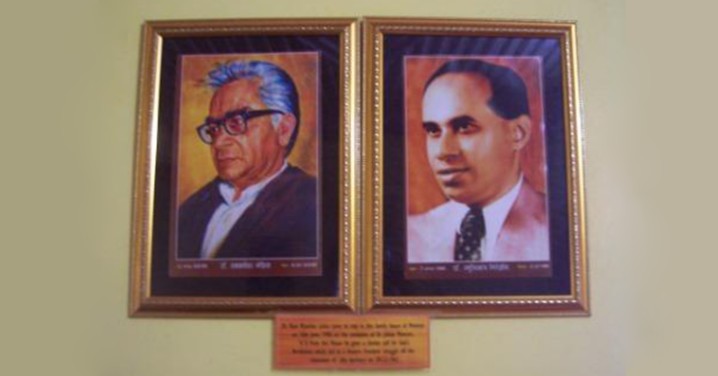
Every year on Goa Revolution Day, we pause to honour the spirit of resistance that shaped our identity. It is a day that recalls courage against colonial rule, the assertion of dignity, and the dream of a self-determined future. Yet, in the quiet moments of reflection this year, a more unsettling question rises: what kind of Goans are we becoming? Have we allowed greed to quietly supplant the values that once defined us? As our land faces mounting pressures, this introspection feels urgent. The choices we make today will determine whether Goa remains a place of harmony and sufficiency or becomes a casualty of unchecked ambition.
Greed, when it takes root, transforms everything it touches. Our natural resources once regarded as sacred endowments are increasingly viewed as mere raw materials for external gain. The lush forests, the pristine coastline, the rivers that have sustained generations, now stand vulnerable. Mining activities, particularly those linked to coal, continue to scar the earth, raising dust that chokes both the environment and local livelihoods. Double-tracking projects for railways promise connectivity but often come at the cost of villages fragmented, farmlands lost, and ecosystems disrupted. These are not abstract concerns; they are lived realities for many families who find their homes and traditions uprooted in the name of progress.
In this rush, a troubling hierarchy emerges. Some sections of Goan society risk becoming disposable . Thus, fisherfolk displaced by coastal developments, farmers squeezed by rising costs and shrinking holdings, and young people forced to migrate in search of opportunities that should ideally exist at home. When greed rules, the human cost is rationalised as collateral damage. We begin to accept that certain communities must bear the brunt so that others may prosper. This fractures our social fabric. It dulls our collective moral imagination, that inner voice which once reminded us of restraint and shared responsibility.
The concept of “enough” fades from memory. In traditional Goan wisdom, life was guided by rhythms of the seasons, the tides, and a deep awareness of limits. Today, that sense feels eroded. We chase endless growth, measuring success by infrastructure projects and economic indices, while ignoring the finite nature of our paradise. Price rises compound the strain. Everyday essentials become luxuries for the average household, widening the gap between the privileged and the struggling. Inflation does not merely pinch wallets; it breeds resentment and resignation, making people more susceptible to short-term promises rather than long-term thinking.
The political landscape offers little solace. Opposition parties appear sluggish, caught in cycles of rhetoric without robust alternatives or sustained mobilisation. Their hesitation leaves a vacuum that dominant narratives fill with ease. Meanwhile, hate and divisive politics poison the air. Communal tensions are stoked, turning neighbour against neighbour and distracting from the real battles protecting the environment, ensuring equitable development, and safeguarding cultural integrity. True religious faith, rooted in compassion and coexistence, gets overshadowed by narcissistic nationalism that prioritises symbols over substance. We exchange the depth of wisdom for the sheen of efficiency, forgetting that genuine progress must nurture the soul of a place as much as its economy.
Climate change looms as an unrelenting force, chasing our backs with rising seas, erratic monsoons, and biodiversity loss. Goa’s vulnerability is acute. Our beaches, once symbols of natural beauty and tourism, face erosion. Inland areas suffer from unpredictable weather patterns that threaten agriculture. Yet, these warnings often fail to disturb us deeply enough to provoke systemic change. We celebrate tourism booms while overlooking the strain on water resources and waste management. We applaud new highways without fully reckoning with the carbon footprint and habitat destruction they entail. The future of Goa and Goans stands in turmoil, but the urgency feels muted, drowned out by the noise of daily survival and political spectacle.
This disconnect is dangerous. Development that destroys the very conditions of life is not development at all. It is a form of slow erosion. When we prioritise extraction over regeneration, we mortgage the inheritance of future generations. Children who grow up amid polluted rivers and concrete sprawl will inherit a diminished Goa. They will know its stories through fading photographs rather than living landscapes. The Revolution Day spirit was never about mere independence; it was about creating a society where freedom meant thriving in balance with nature and each other. We risk betraying that legacy if we continue on the current path.
The path forward demands clarity of choice. We must reject the false binary between stagnation and destructive growth. Emancipative ways of being Goans are possible rooted in sustainability, inclusivity, and foresight. Imagine development models that centre local needs: community-led eco-tourism that respects carrying capacity, renewable energy initiatives that harness our abundant sunshine and winds without ravaging hillsides, and agricultural policies that support small farmers transitioning to resilient, organic practices. Education must play a central role, fostering environmental literacy and critical thinking so that young Goans see themselves as stewards rather than consumers.
Civil society, artists, intellectuals, and faith leaders have a pivotal part to play. They must revive the moral imagination that greed has weakened. Public discourse needs to elevate voices from the margins those directly affected by mining or displacement. Transparency in governance is non-negotiable. Projects should undergo rigorous environmental and social impact assessments, with genuine community consultation rather than performative hearings. Opposition parties must shake off their lethargy, forging alliances based on shared principles rather than opportunism. Time is indeed running out, but it is not yet too late.
True emancipation requires reconnecting with our deeper heritage. Goa’s history is rich with syncretic traditions, resilience, and a love for the land that transcends religion or caste. We must reclaim a faith that is not weaponised for division but lived as an ethic of care for people and planet. Efficiency has its place, but wisdom must guide it. Nationalism can inspire pride, yet it becomes hollow without justice and equity at its core.
On this Goa Revolution Day, let us not merely commemorate the past but interrogate the present. Are we becoming a people who measure worth by accumulation, or one that finds richness in sufficiency and solidarity? The answer lies in our daily choices: what we support with our votes, our consumption patterns, and our voices. We can demand policies that protect our rivers and forests, invest in green infrastructure, and build an economy that serves Goans first. We can nurture a culture that celebrates limits as sources of creativity rather than constraints.
The turmoil we face is real, but so is our capacity for renewal. Goa has reinvented itself before through revolution, liberation, and waves of cultural flourishing. This moment calls for another reinvention, one grounded in ecological wisdom and social justice. Let greed not define us. Instead, may we choose paths that honour the sacrifices of those who fought for our freedom by ensuring that freedom remains meaningful for generations to come.
As the sun sets over our shores on this commemorative day, the question lingers: what kind of Goans will we choose to become? The answer will echo far beyond today’s celebrations. It will shape the hills we leave to our children, the waters they swim in, and the communities they call home. The revolution continues not with arms, but with awakened conscience, collective will, and the courage to say “enough” when more threatens to destroy what we hold dear.