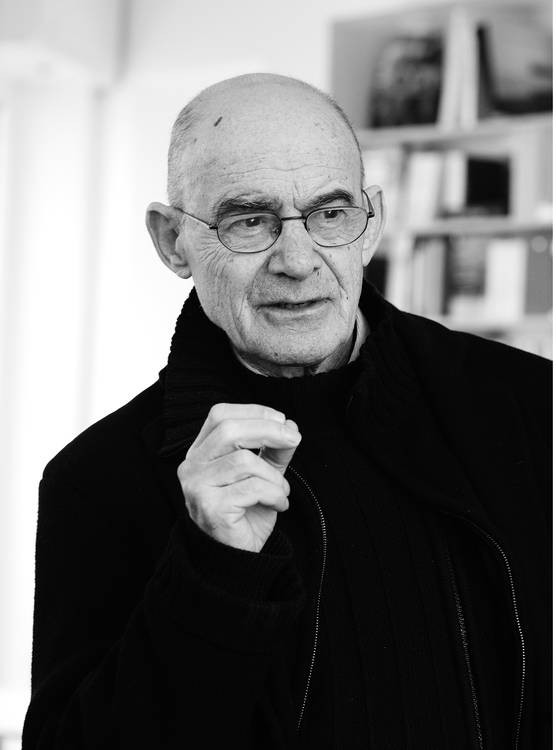
In the philosophy of Jean-Luc Nancy, existence unfolds not as a finished project but as an ongoing exposure, a sharing that resists closure. His notion of the “unworked” or inoperative community challenges any attempt to mould collective life into a predetermined script. There is no grand blueprint, no singular narrative that life must perform. This idea resonates deeply when turned toward the shores of Goa, where “Goan-ness” and the ethos of susegad that is a distinctive rhythm of relaxed, contented counter living emerge not as fixed identities to be achieved or defended, but as unworked potentials always in the process of becoming.
Goan-ness is not a checklist of traditions, dialects, or culinary rites performed according to an inherited manual. It is an openness, a singular-plural way of being-with one another and with the world that refuses to congeal into one single essence. Susegad, often misunderstood by outsiders as mere leisure or laziness, is better grasped as a profound attunement to the present moment, an unhurried presence that allows life to reveal itself without the pressure of constant production. Together, these form an unworked way of life that does not prescribe how one must live, but instead offers zest and possibility precisely because it remains unclosed. In this openness, individuals and communities find not only joy in daily existence but also unexpected pathways for genuine contribution.
Life, as Nancy reminds us, is not a work to be completed. There is no director calling “action” on a universal stage, no final act toward which every gesture must strive. We are thrown into existence without a script, and it is in this absence of script that freedom breathes. In Goa, this truth takes on vivid, sun-kissed contours. The coconut palms sway without urgency, the tides move according to their own ancient cadence, and the people navigate days laced with an unique jest of life with conversations that meander like the Zuari River, and festivals that blend Catholic processions with indigenous rhythms. These are not performances of a static culture but improvisations in the space of becoming.
To speak of unworked Goan-ness is to reject any attempt to essentialize it whether through romantic tourism brochures or rigid preservationist demands. Goan-ness is not something one masters or inherits in full; it is something one enters, again and again, in relation with others. A fisherman mending nets at dawn shares in this becoming as much as the returning migrant sketching new ventures in Panjim’s bustling lanes. The elderly auntie recounting stories under a mango tree and the young musician fusing Konkani lyrics with global beats are both enacting singular ways of being Goan. None of them follows a blueprint. Each moment of encounter whether a shared meal of sorpotel and sannas , or a quiet evening watching the sun dissolve into the Arabian Sea exposes them to one another and to the world in ways that cannot be predetermined.
Susegad life amplifies this unworked quality. At its heart, it is a refusal of the modern imperative to optimize every second. In a world obsessed with productivity scripts like the five-year plans, hustle culture, relentless self-improvement, susegad stands as a quiet rebellion. It is not idleness but a different orientation toward time and activity. One works, yes to life. Goans have long been known for their diligence in fields, kitchens, ships, and offices but the work is held within a larger frame of rest, relation, and receptivity. There is space for the siesta, for the unhurried evening chai conversation, for letting thoughts wander as the waves lap against the shore. This creates a fertile ground where life’s unpredictability can be met not with anxiety but with grace.
Nancy’s thought helps illuminate why this matters. In his view, community is not a fusion into a collective “we” that works toward a common goal, but a co-existence of singularities who touch without merging. Susegad Goan-ness embodies this. It allows people to be-with one another in their differences, across caste, creed, class, and generation without demanding total assimilation. The Hindu, Christian, and Muslim threads of Goan life do not dissolve into uniformity; they remain distinct yet intertwined, sharing the same humid air, the same monsoon rains, the same uncertain futures. This inoperative togetherness is not a weakness but a strength. It keeps the community alive, responsive, and capable of surprise.
Crucially, this unworked approach does not leave us passive. On the contrary, it offers zest for living while remaining open, precisely because it resists closure. When life has no fixed script, every day becomes an invitation to create. One contributes not by fulfilling an assigned role in a grand narrative, but by offering what is singularly one’s own in the moment of encounter. A Goan artist might channel the susegad spirit into paintings that capture the play of light on tiled roofs, inviting viewers into that same relaxed wonder. A teacher in a village school may embody it by encouraging students to explore knowledge not as rote performance but as joyful discovery. An environmental activist protects mangroves and dunes not through dogmatic ideology but through a deep, lived sense of harmony with the land that susegad nurtures.
The absence of a blueprint is liberating. It frees Goan-ness from the burden of purity. Goa has always been a place of crossings, Portuguese colonizers, Indian independence, global tourism, returning diaspora. Each wave disrupts any attempt at a single story. Yet in the unworked space between these influences, something vital persists: a capacity to absorb, adapt, and offer back. The local baker who experiments with new fillings in his pão is contributing to Goan-ness. The entrepreneur building eco-friendly homestays that respect the landscape is doing the same. Even the traveler who arrives seeking susegad and leaves changed participates in this becoming.
This openness also carries responsibility. Without a script, we must remain attentive. Susegad is not an excuse to neglect challenges whether ecological pressures on coastal ecosystems, economic disparities, or the tensions of modernization. But the unworked approach suggests that responses arise best from within this ethos rather than imposed from without. Instead of frantic, top-down solutions that treat life as a problem to be engineered, susegad invites measured, relational actions that honour the plurality of voices. Contributions emerge organically when people feel free to be themselves in community.
In Nancy’s terms, we are always already exposed. Goan life makes this exposure palpable and often pleasurable. The evening bhajan sessions, the nattak performances, the family gatherings where multiple generations share space and stories are the sites where being-with happens without orchestration. They generate meaning not through completion but through the ongoing sharing of existence. Susegad life, lived in this spirit, cultivates a gentleness toward oneself and others. It allows for failure, for wandering, for changing course. In a world that increasingly demands performative success, this is a profound gift.
Ultimately, unworked Goan-ness and susegad life remind us that human existence flourishes most when it resists the temptation of the final word. There is no ultimate Goan identity to reach, no perfect susegad state to attain. Instead, there is the daily practice of becoming whether together, apart, in relation. This practice yields zest: the simple joy of waking to the sound of waves or the laughter of neighbours, the satisfaction of honest work followed by restful companionship, the excitement of contributing something unique without needing to control the outcome.
Life offers no blueprint, and that is its generosity. In embracing the unworked, Goan and those who encounter Goan ways discover ways of offering themselves that are lighter, more creative, and more attuned to the singular plurality of existence. The coconut trees continue to bear fruit without striving. The rivers flow toward the sea without a map. So too can we move through our days: present, open, contributing in the becoming. In this unscripted dance lies the quiet power of susegad , a life not worked to exhaustion, but lived in shared exposure, forever becoming.