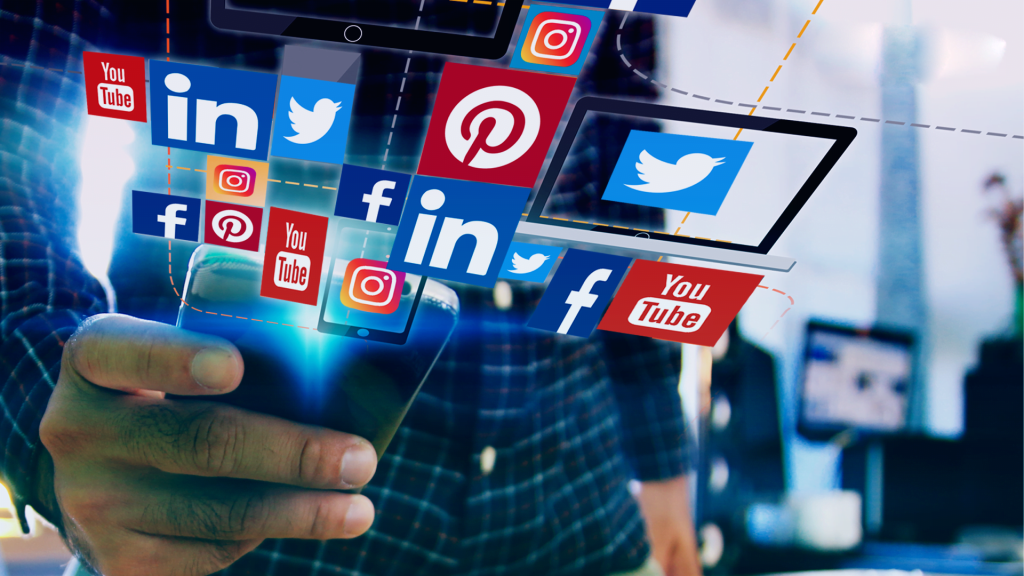
In today’s digital landscape, social influencers have risen as powerful figures who mold public tastes, lifestyles, and even societal values. With vast audiences on platforms like Instagram, TikTok, and YouTube, they function as trendsetters and opinion leaders. What seems like a democratized space for personal expression and community building is, upon closer examination through critical theory, becomes a refined version of the culture industry described by Theodor Adorno and Max Horkheimer. This system transforms culture into a standardized commodity, turning individual identities into marketable assets and perpetuating capitalist ideologies behind a facade of authenticity. The ethical implications are profound, calling for a deep structural critique rather than superficial fixes.
Adorno and Horkheimer, in their influential work from the mid-20th century, critiqued how mass culture under capitalism loses its capacity for genuine artistic innovation or social critique. Instead of serving as a realm for autonomous thought, culture becomes industrialized and is produced, replicated, and consumed like any other factory good. Movies, music, and print media were once the prime examples, offering standardized fare that promised novelty while enforcing conformity. Audiences, far from being active participants, were reduced to passive recipients whose leisure time mirrored the alienation of their working lives.
The rise of social media has amplified and updated this dynamic, creating what can be termed the culture industry 2.0. Algorithms now play the role once held by studio bosses and editors, determining visibility based on engagement metrics such as likes, comments, shares, and viewing duration. Content creators must craft material that is concise, emotionally resonant, visually striking, and highly shareable. Depth, ambiguity, or sustained critical reflection often gets sidelined because such qualities hinder algorithmic success and audience retention. This results in a homogenized cultural output where variety exists only in surface aesthetics, not in underlying substance.
Influencers operate at the heart of this apparatus. They do not merely endorse products; they commodify their entire existence and their routines, relationships, opinions, and even vulnerabilities. This represents an advanced stage of commodification, where the boundary between private life and public performance dissolves. Drawing from Guy Debord’s ideas on the society of the spectacle, everyday experiences are supplanted by curated representations designed for consumption. A seemingly candid “day in the life” video is meticulously planned, lit, and edited to maximize appeal. Political commentary or social advocacy is frequently tuned to spark reactions without risking sponsor backlash. What passes for empowerment is often a carefully managed brand narrative.
This phenomenon aligns with Herbert Marcuse’s concept of repressive desublimation, wherein apparent freedoms and gratifications serve to sustain domination. Influencers project an image of independence from old media gatekeepers, yet they remain captive to new powers: platform corporations, advertising partners, and data-driven recommendation systems. The influencer sector has grown into a multi-billion-dollar industry, enabling a handful of top creators to amass significant wealth through sponsorships, product lines, and fan-supported ventures. However, the majority function as precarious independent contractors. They lack job security, health benefits, or organized labor support. Constant content demands foster burnout, mental health struggles, and a performative self that blurs the line between persona and personhood. These pressures are inherent to a model that extracts value from affective and emotional labor.
Furthermore, influencers intensify consumerist ideologies. Lifestyle content from fashion hauls and beauty routines to wellness regimens frames consumption as a path to fulfillment and self-actualization. Systemic challenges such as economic inequality, environmental degradation, or social fragmentation are recast as personal shortcomings solvable through better choices in products or mindsets. This echoes Adorno’s notion of false reconciliation, where mass culture offers illusory harmony that deflects attention from deeper contradictions in society. The influencer’s polished existence suggests that happiness is achievable within the existing order, discouraging collective questioning of that order itself.
The ethical shortcomings of this ecosystem extend beyond isolated misconduct. Operating in loosely regulated environments, influencers and platforms often prioritize growth over responsibility. Disclosures of paid partnerships can be subtle or inconsistent. Unsubstantiated advice on health, finance, or personal development proliferates, sometimes with real-world consequences. During periods of social tension or global events, influencer-driven narratives can sway opinions more potently than conventional journalism, amplifying divisions or spreading incomplete information. This dynamic fragments the public sphere, as envisioned by Jürgen Habermas, turning what could have been a space for rational discourse into commercially optimized echo chambers.
Vulnerable populations bear a disproportionate burden. Adolescents, particularly young women, encounter heightened pressures around appearance, success, and social validation, fueling anxiety and distorted self-perceptions. While creators from diverse backgrounds gain platforms for visibility, sustained success frequently requires adapting to dominant aesthetic norms and depoliticized messaging. Radical perspectives risk being absorbed and softened into marketable “inclusivity” content. Environmental concerns fare no better; promotional material often celebrates high-consumption behaviors like frequent travel, fast fashion, or gadget upgrades that contradict calls for sustainability. The hyper-focus on individual branding undermines the solidarity essential for addressing collective crises.
A critical theory approach insists on moving past liberal remedies like voluntary guidelines or improved self-regulation. Genuine ethics must confront the systemic roots. First, robust transparency measures are essential, including clear, verifiable labeling of commercial ties and greater insight into algorithmic operations that shape visibility. Second, labour protections should recognize influencers as cultural workers deserving fair terms, collective representation, and safeguards against exploitation. Third, algorithmic design needs reorientation toward values like informational quality, diversity of viewpoints, and civic contribution, rather than raw engagement. Fourth, widespread education in media literacy, informed by critical traditions, can equip people to decode ideological underpinnings and distinguish commodified performance from authentic voice. Finally, support for non-commercial models cooperative platforms, publicly funded initiatives, or community-driven content can nurture cultural spaces less beholden to profit imperatives.
At its core, this demands a commitment to what Adorno described as negative dialectics: thinking that resists absorption into the prevailing reality and highlights its contradictions. Ethics in the influencer age cannot be limited to personal codes; it requires interrogating the total system that renders profit-driven behavior not only rational but inevitable. This includes challenging the assumption that endless growth in attention economies serves human flourishing.
In conclusion, social influencers exemplify the evolution of the culture industry amid technological change. They are not the origin of the problem but its most visible agents, channeling cultural production into channels that reinforce existing power structures while appearing liberating. The allure of influence and monetization conceals widespread alienation and the erosion of unmediated human connection. Resisting this totalizing spectacle means rejecting false binaries between unchecked creator freedom and authoritarian control. Instead, the path forward lies in democratizing access to cultural tools, reducing the commodification of daily life, and cultivating environments where critique and creativity can thrive independently of market logics. Only through such transformative efforts can society reclaim culture as a domain of emancipation rather than domination. True vitality emerges not from the endless scroll but from conscious, collective reimagination of how we produce, share, and value meaning in the world.