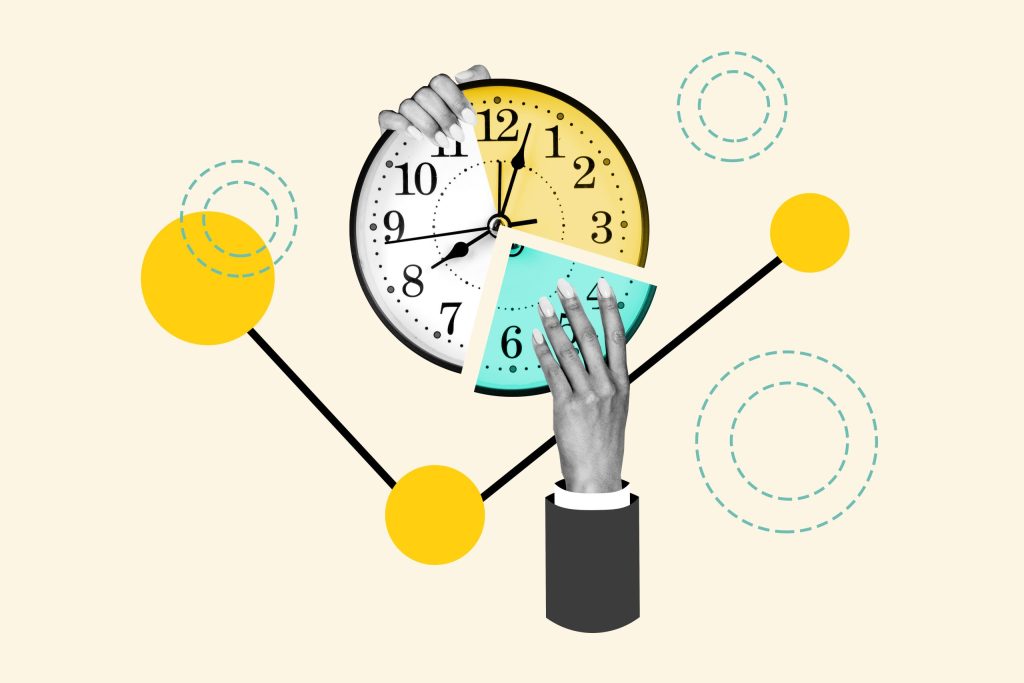
The intersection of the attention economy and big data analytics defines much of our digital existence today. In this framework, human attention emerges as a scarce and precious resource amid an explosion of information and content. Platforms compete intensely to capture and hold our focus, turning moments of engagement into measurable economic value. Big data analytics provides the essential machinery for this process. By harvesting vast quantities of behavioral information from every click, scroll, pause, like, share, and location signal, these systems build intricate profiles of users. Machine learning models then predict what will captivate individuals next, personalizing feeds and experiences to maximize time spent on the platform. This creates powerful feedback loops where more attention generates richer data, which in turn enables even more precise targeting and prolonged engagement.
What began as a recognition of information overload has evolved into a sophisticated economic system. Traditional media once broadcast messages to broad audiences, but today’s digital platforms operate with granular precision. They offer seemingly free services like social networks, search tools, and video streams while their true product remains user attention. Advertisers pay substantial sums for the privilege of accessing carefully segmented audiences whose preferences and vulnerabilities have been mapped through data. The incentives align toward addiction by design. Algorithms favour content that triggers strong emotional responses outrage, novelty, or validation because these drive higher interaction metrics. Short videos, infinite scrolls, and variable rewards borrow from psychological principles akin to gambling, keeping users returning compulsively.
This fusion generates enormous profits for dominant platforms. Longer dwell times translate into more advertising opportunities and higher-value data for targeting. Yet the consequences ripple far beyond balance sheets. Societies experience deepened polarization as algorithms amplify divisive material that boosts engagement. Individuals suffer from fragmented attention spans, heightened anxiety, and a sense of being perpetually observed and influenced. Young people, whose developing minds encounter relentless personalization, face particular risks of distorted self-perception and compulsive habits. The system commodifies private experience, transforming everyday actions into raw material for behavioral prediction and modification. In many ways, users become unwitting laborers, generating the data and focus that sustain the architecture without meaningful compensation or control. Power concentrates among a handful of companies capable of processing these immense datasets, creating barriers to competition and accountability.
Critics rightly point to the erosion of autonomy. When external systems anticipate and subtly shape desires before conscious choice occurs, genuine agency diminishes. Decisions about what to read, watch, or believe become guided by opaque algorithms optimized for platform metrics rather than human flourishing. The lack of transparency around these models proprietary code trained on hidden data exacerbates the problem, allowing unchecked influence over public discourse, consumer behavior, and even political outcomes. This dynamic raises fundamental questions about freedom in an age where attention is constantly auctioned and manipulated.
Resistance to this order requires intentional strategies that reclaim focus and challenge the underlying structures. One powerful approach involves becoming anti-oculus, a stance against the pervasive, all-seeing surveillance that tracks and commodifies every digital gesture. This means cultivating deliberate obscurity and limitation in one’s online life. Individuals can audit their data trails, restrict unnecessary permissions, adopt privacy-enhancing tools, and reduce the signals they emit. It extends to broader habits of digital minimalism: setting strict boundaries around device use, prioritizing deep reading or face-to-face conversation over algorithmic feeds, and creating regular periods of disconnection. These practices treat attention as a personal birthright rather than a resource to be harvested. Communities strengthen this resistance by sharing knowledge, building local networks outside major platforms, and fostering cultures that value presence over perpetual connectivity. Anti-oculus living rejects the panopticon logic, asserting that not everything needs to be seen, measured, or monetized.
Complementing this defensive posture is the work of disassembling that actively takes apart the mechanisms that sustain the attention economy. This involves both technical and social dimensions. Curious users and developers can explore data exports, experiment with alternative tools, and support open-source projects that emphasize transparency over black-box algorithms. On a larger scale, disassembly calls for policy interventions such as strict data minimization rules, requirements for algorithmic audits, and mandates for interoperability that weaken user lock-in. Building parallel systems decentralized social protocols, community data trusts, or platforms designed for human well-being rather than engagement helps dismantle reliance on extractive giants. Creative friction, such as tools that slow down addictive interfaces or campaigns encouraging collective boycotts, disrupts the smooth operation of the machinery. Education plays a vital role here, equipping people with the literacy to understand how recommendations work and why defaults often serve corporate interests. Technologists contribute by developing methods that make mass surveillance more costly or by designing interfaces that protect rather than exploit cognitive vulnerabilities.
Several important thinkers have illuminated these paths of resistance and offered frameworks for understanding the stakes. Shoshana Zuboff has powerfully described how surveillance capitalism converts human experience into behavioral data for profit, calling for new rights and institutions to safeguard unmonitored life. Tim Wu traces the historical lineage of attention merchants and argues for treating addictive design with the seriousness once reserved for public health threats. Jaron Lanier emphasizes economic dignity for users, proposing models where people receive value from their data contributions instead of surrendering it freely. Tristan Harris highlights the need for humane technology that aligns with psychological needs rather than exploiting weaknesses. Evgeny Morozov cautions against overly technological solutions, insisting that political and structural changes must address root causes of power imbalance. These voices, alongside insights from cognitive science, political economy, and perspectives rooted in care and relationality, underscore that resistance must operate on multiple levels: personal discipline, cultural critique, technological innovation, and collective action.
Ultimately, the marriage of the attention economy and big data analytics represents a profound shift in how human life is organized and valued. It delivers convenience and connection but extracts a heavy price in autonomy, well-being, and social cohesion. By embracing anti-oculus awareness and the spirit of disassembly, individuals and communities can begin to loosen the grip of these systems. This does not mean rejecting technology wholesale but insisting that it serve deeper human purposes, depth of thought, quality of relationships, and freedom of mind. As analytics and artificial intelligence grow more sophisticated, the urgency of these efforts only increases. Reclaiming attention means reclaiming essential aspects of what makes existence meaningful: the ability to focus undistracted, to wonder freely, and to engage with the world on our own terms. Through conscious refusal and creative reconstruction, a more balanced digital future remains possible, one where technology enhances rather than diminishes our shared humanity.