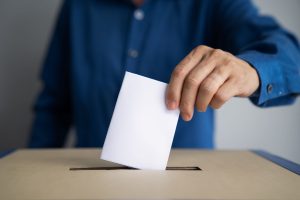
Goa, the jewel of India’s western coast, known for its golden beaches, rich cultural heritage, and laid-back lifestyle, is currently witnessing intense political activity. As the state prepares for the next assembly elections, likely in early 2027, the atmosphere feels charged. The ruling Bharatiya Janata Party (BJP) government under Chief Minister Pramod Sawant appears steady on the surface, yet underlying resentment is growing among many locals. Issues such as rapid development threatening the environment, challenges in tourism regulation, and concerns over preserving Goan identity are fueling discontent. At the same time, the main opposition party, Congress, seems unprepared and tangled in its own problems.
One of the defining features of Goan politics has been its instability, marked by frequent defections. In recent years, Congress has suffered twice from significant outflows of its legislators to the BJP. These shifts, particularly the major one around 2019, helped the BJP strengthen its hold and form a stable government. Such repeated crossings have deeply affected public faith in the political system. Many Goans now see politics less as a service to the people and more as a pursuit of power and personal gain. This cynicism makes it harder for any party to build lasting trust.
The Congress party’s current state adds to the uncertainty. After a period of relative quiet, several leaders who once held influence seem to be in hibernation, waiting for favourable conditions before re-entering active politics. The party’s recent choice for state president has created fresh divisions. The appointment was meant to bring new momentum, but instead it has triggered internal conflicts and public criticism. Factions within Congress are openly questioning the decision, seeing it as favoring certain groups over others. This lack of unity projects weakness at a time when the party needs to appear strong and organized.
Adding to the turmoil is the controversy surrounding ticket distribution for the upcoming polls. There are widespread doubts about the fairness of the process. Allegations of money influencing selections and preferences being given to winability rather than capable, loyal candidates have surfaced. When the same person leading the party organization is also closely involved in choosing candidates, it naturally raises suspicions. People wonder whether this setup reduces the risk of future defections or actually increases it. Ambitious leaders might calculate that staying in a disorganized Congress offers limited chances, tempting them to switch sides for better prospects in the ruling party.
Despite these challenges, the Congress leadership has tried to draw a firm line. There is a clear policy against easily welcoming back defectors with prominent positions or tickets. The idea is to reward longtime workers and rebuild the party from the base level. However, in Goa’s highly practical political environment, where alliances often shift based on immediate gains, this approach faces tough tests. Disciplinary actions against senior members accused of working against party interests have been taken, but they also highlight how fragile the party’s structure remains.
On the BJP side, the party is playing a calculated game. It has successfully absorbed several leaders from other parties, turning potential rivals into partners. There are indications that the BJP might encourage or support regional forces like Shiv Sena to play a disruptive role in the opposition space. This strategy echoes how the Trinamool Congress operated as a spoiler in the past splitting votes and weakening the main challenger. By backing or aligning with such players, the BJP could prevent anti-incumbent votes from consolidating, allowing it to retain power even without a massive majority. This divide-and-conquer tactic keeps the opposition guessing and fragmented.
For ordinary citizens of Goa who feel dissatisfied with the current BJP rule, the path forward is not straightforward. Many express frustration over issues like unchecked construction damaging villages and ecosystems, insufficient focus on local employment, and a sense that big outside investors are prioritized over Goan concerns. Yet, with the opposition in disarray, channeling this resentment into effective change is difficult. Here are some realistic options available to such voters:
First, they could work towards strengthening Congress while demanding genuine reforms. This would involve pushing for more transparent candidate selection based on merit, integrity, and local connect rather than financial or personal ties. If Congress can overcome its internal battles and focus on core Goan issues, protecting the state’s unique culture, supporting traditional occupations like fishing and farming, and promoting sustainable tourism, it might regain relevance. However, the history of defections means the party must demonstrate real accountability to win back trust.
Second, supporting regional and smaller parties offers another avenue. Groups like the Goa Forward Party have positioned themselves as champions of Goan identity and self-respect. Other smaller outfits or strong independent candidates with deep roots in their constituencies could also serve as vehicles for protest votes. These options allow voters to express discontent without fully aligning with national parties that sometimes overlook local nuances. The downside is that too many small players can split the vote, indirectly helping the ruling party.
Third, many Goans are increasingly looking beyond traditional party politics. Civil society movements, environmental groups, and community organizations provide platforms to raise voices on specific issues. Protests against environmentally harmful projects, demands for better implementation of laws protecting local resources, and youth-led initiatives on employment and education are gaining ground. Over time, such activism could produce new leaders unburdened by old political baggage and focused purely on governance reforms.
Fourth, tactical voting and potential new political formations represent emerging possibilities. Voters might strategically back alliances that consolidate anti-BJP sentiment in key seats. There is also room for fresh experiments perhaps led by professionals, academics, or members of the Goan diaspora returning home with an emphasis on clean governance, transparency, and balanced development. Digital platforms and local networks are helping amplify these alternative voices.
The broader picture in Goa reveals systemic issues in its democracy. Defection-prone politics, weak enforcement of anti-defection norms, and the dominance of individual ambitions over ideological commitment continue to shape events. While the BJP highlights achievements in infrastructure and central government support, critics argue that cultural erosion and favouritism remain unaddressed. Congress’s struggles reflect a party still looking for healing from past losses.
As the election season heats up, more leaders may emerge from their political hibernation. Ticket controversies will likely dominate discussions, and strategic maneuvers by various parties will intensify. For Goans tired of this familiar cycle of instability and opportunism, the real power lies in their hands. By carefully evaluating candidates based on their records, vision, and commitment to the state’s distinct character, voters can push for meaningful change.
Ultimately, Goa deserves a political culture that reflects its vibrant spirit that is honest, inclusive, and forward-looking. Whether through a revived Congress, smarter regional strategies, grassroots activism, or innovative new platforms, the coming period will reveal if public resentment can drive genuine transformation or if the state will settle back into old patterns of power shifts and continuity. The choices made by its people in the next election will shape Goa’s trajectory for the foreseeable future.