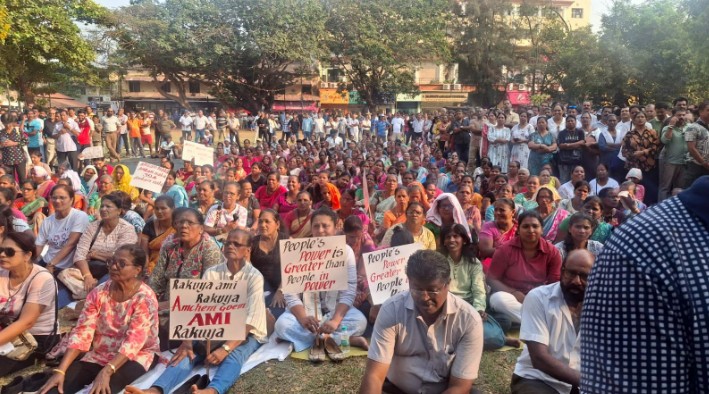
Visceral protest harnesses the raw, bodily dimensions of resistance, transforming individual physiological experiences into powerful collective forces that generate affective intensities and moral shock, ultimately mobilizing broader participation in social and political struggles. Unlike purely discursive or ideological forms of protest, which rely on reasoned arguments and abstract appeals, visceral actions engage the gut, the skin, hunger, pain, exposure, and vulnerability of the body. These create immediate, felt responses that bypass rational deliberation, striking directly at shared human sensibilities and evoking profound emotional resonance.
The concept of visceral politics captures this interplay between physiological states such as interoceptive signals from the viscera and socio-political behavior. Bodily sensations shape political decisions, while political forces recruit physiology to influence engagement. Protests that invoke visceral responses, including hunger, physical coercion, or exposure, produce emotive engagements with the social world, amplifying impact through embodied experience rather than detached cognition.
Complementing this, scholars of social movements highlight moral shock as a pivotal mechanism for mobilization. Moral shocks arise as visceral unease or outrage triggered by shocking events or violations of deeply held norms. These shocks evoke blame, indignation, and injustice, reorienting individuals toward action. Affective in nature, they hit the body before full cognitive processing, generating emotional energy that propels people from passive observation to active resistance. Repressive responses, such as police violence, often backfire, intensifying outrage and sparking broader involvement through backlash dynamics.
In visceral protest, the body serves as both medium and message, producing affective intensities—intense, circulating feelings like disgust, empathy, anger, or solidarity that ripple outward and bind participants. Fast unto death stands as a quintessential example: by willingly subjecting the body to starvation, the protester enacts extreme vulnerability, forcing observers to confront mortality and injustice somatically. The progressive hunger, weakness, and looming death create a shared affective field of horror and moral compulsion. The protester’s bodily sacrifice demands urgent recognition of the cause, compelling empathy and action. Historical precedents, such as Gandhi’s fasting as satyagraha, demonstrate how such acts generate moral shock, shaming authorities and galvanizing supporters through empathetic bodily resonance.
Acts of bodily exposure, like removing clothing in protest, similarly invert power dynamics. The bare torso signals defiance and sacrifice, evoking visceral reactions like discomfort, empathy, or outrage that challenge norms of decorum and authority. Squatting or occupying spaces asserts presence through physical endurance, turning passive waiting into active resistance. These bodily disruptions of normalcy invite affective solidarity, drawing others into the struggle via shared embodied discomfort or identification.
These dynamics find vivid relevance in contemporary Goa, where tensions over land, identity, and governance fuel intense local struggles. Goa faces ongoing threats from development policies perceived as eroding local autonomy, village heritage, and territorial integrity. The actions of Revolutionary Goans Party MLA Viresh Borkar illustrate visceral protest’s power in this context.
Borkar’s overnight squatting at the Town and Country Planning office in Panaji embodied occupation as resistance. Protesting zone changes under Section 39A of the TCP Act seen as enabling unchecked land conversions that threaten village lands. he and supporting villagers used their bodies as barriers. Refusing to leave, they physically held space, making endurance a direct challenge to perceived encroachment on Goan livelihoods and cultural roots.
The escalation came when police allegedly dragged and manhandled Borkar out of the building. This act of state coercion against an elected representative produced a classic moral shock. The spectacle of forcible removal: bodies lifted, restrained, and ejected—evoked widespread outrage over brutality toward a voice representing public concerns. Affective intensity transformed individual grievance into collective indignation, as images and accounts circulated, stirring empathy, anger, and a sense of violated dignity.
This shock propelled further escalation: Borkar launched a fast unto death at Azad Maidan, vowing to continue until Section 39A is scrapped. Joined by supporters like Tushar Gawas, the fast intensified the visceral dimension. Visible emaciation, low blood pressure, weakness, and the real risk of organ failure or death created palpable affective intensities of horror, empathy, and urgency among Goans. Observers confronted the protester’s suffering as a mirror of broader threats to their identity and land. The body’s deterioration became a living indictment, demanding response through shared bodily revulsion and moral compulsion.
Such events resonate profoundly in Goa, a state with a legacy of defending cultural and territorial integrity against external pressures, including mining, tourism-driven conversions, and infrastructural development. Visceral protests cut through political rhetoric and procedural delays, producing moral shocks that mobilize diverse groups: villagers facing land loss, activists, opposition leaders, and ordinary citizens. The manhandling of Borkar backfired, amplifying affective outrage rather than suppressing dissent. It drew attention from across the political spectrum, including appeals to higher authorities and demands for special sessions or repeal. Opposition figures highlighted the urgency of Borkar’s deteriorating health, framing the fast as a legislator’s ultimate stand for constituents.
As the fast entered its sixth day and beyond, with doctors noting health risks and public concern mounting, the protest exemplified how visceral tactics sustain momentum. The affective field expanded, turning personal sacrifice into collective defense. Villagers, seeing their MLA embody their vulnerability, felt compelled to rally, visit the site, or pressure representatives.
In essence, visceral protest weaponizes the body’s immediacy to generate affective intensities that culminate in moral shock. Politics is never disembodied; physiological engagement shapes behavior, while shocks rooted in norm violation propel action. In Goa, from squatting at government offices and fasting unto death to the raw exposure of police manhandling, these tactics reveal embodied resistance’s capacity to ignite widespread mobilization. Personal bodily sacrifice becomes a catalyst for collective action, defending rights, land, and dignity against perceived existential threats.
These protests underscore a fundamental truth: true change often originates not in abstract arguments or institutional channels alone, but in the gut-wrenching, heart-pounding force of bodies refusing to yield. When bodies hunger, ache, expose themselves, or endure violence, they evoke responses that rational discourse alone cannot match. These responses bind people in solidarity, outrage, and resolve. In Goa’s ongoing struggles, visceral protest demonstrates its enduring power to transform individual suffering into communal strength, ensuring that the fight for identity and justice remains felt, embodied, and unstoppable.