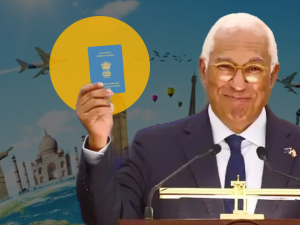
In the sun-drenched shores of Goa, where the legacy of Portuguese colonialism lingers in architecture, cuisine, and even surnames, a quiet revolution is underway. For decades, Goans have navigated the complex aftermath of colonial rule, which ended in 1961 when India integrated the territory from Portugal. While Portugal’s colonial era was marked by exploitation, cultural imposition, and human rights abuses and several wrongs that the nation has since acknowledged through reparative gestures. One positive outcome has been the extension of citizenship rights to Goans and their descendants. This has allowed thousands to pragmatically pursue Portuguese nationality, primarily for the economic advantages it offers within the European Union. However, India’s strict prohibition on dual citizenship forces these individuals to surrender their Indian passports, creating unnecessary hardships. It’s time for India to reconsider this policy and grant dual citizenship to Goans with Portuguese eligibility, fostering economic growth, cultural preservation, and historical reconciliation without compromising national integrity.
Understanding the Historical Context
Portugal’s rule over Goa, Daman, and Diu spanned over 450 years, from 1510 until India’s military liberation in 1961. During this period, the colonial administration enforced policies that suppressed local traditions, converted populations en masse, and extracted resources for the metropole. In recent years, Portugal has implicitly admitted these injustices by maintaining open citizenship pathways for former colonial subjects, viewing it as a form of amends. Anyone born in these territories before December 19, 1961, along with their children and grandchildren, can register as Portuguese citizens. This provision recognizes the enduring ties forged during colonial times, allowing Goans to reclaim a part of their heritage.
In contrast, India’s Citizenship Act explicitly bans dual nationality, requiring individuals who voluntarily acquire foreign citizenship to relinquish their Indian one. For Goans, this means that opting for Portuguese citizenship, often a pragmatic choice for better job prospects in the EU, results in losing full Indian citizenship rights. They can apply for an Overseas Citizenship of India card, which provides visa-free travel and residency but falls short of true citizenship, denying voting rights and certain property ownership privileges. This binary choice overlooks the unique historical circumstances of Goa, treating it as a standard case rather than an exception rooted in colonialism.
Economic Pragmatism: A Lifeline for Goans
The primary driver for Goans seeking Portuguese citizenship is economic opportunity. With Goa’s economy heavily reliant on tourism and remittances, access to the EU labor market has been a game-changer. Portuguese passports grant freedom of movement across twenty-seven EU countries, enabling Goans to secure high-paying jobs in sectors like hospitality, IT, and healthcare—opportunities scarce in India due to unemployment and wage disparities. Remittances from these expatriates bolster Goa’s GDP, funding education, healthcare, and infrastructure back home.
Critics argue that this exodus drains talent from India, but the reality is more nuanced. Many Goans maintain strong ties to their homeland, returning frequently and investing locally. Dual citizenship would formalize this, allowing them to contribute taxes and votes in India while working abroad. In a globalized world, where many countries permit dual nationality without issue, India’s stance seems outdated. By allowing dual citizenship for Goans, the government could harness this diaspora as a bridge for Indo-EU trade and cultural exchange, turning a colonial legacy into a modern asset.
Cultural and Identity Benefits
Dual citizenship isn’t just about economics; it’s about identity. Goans embody a syncretic culture, blending Indian and Portuguese influences in language, festivals, architecture, music, food and family structures. Forcing a choice between nationalities erodes this hybridity, compelling individuals to pick sides in a history they didn’t write. Granting dual status would affirm Goa’s unique position within India, preserving cultural diversity as enshrined in the Constitution.
Moreover, it addresses historical inequities. Portugal’s offer of citizenship can be seen as a tacit apology for colonial wrongs, providing reparations through mobility and rights. India, by allowing dual citizenship, could complement this by ensuring Goans don’t lose their Indian roots. This isn’t favoritism; it’s targeted redress for a group uniquely affected by colonialism, similar to how India grants special status to certain regions.
Addressing Counterarguments: Loyalty and Sovereignty
Opponents of dual citizenship often cite concerns over divided loyalties, fearing that dual nationals might prioritize foreign interests. However, evidence from countries with dual citizenship policies shows no such widespread issues. Goans have demonstrated unwavering patriotism. Many fought in India’s armed forces and contributed to national development. Dual citizenship could include safeguards, like requiring oaths of allegiance or restricting certain public offices, to mitigate risks.
Another worry is the slippery slope: if Goans get it, why not others? But the case is exceptional due to the colonial history and Portugal’s specific laws. It wouldn’t set a precedent for general dual citizenship but could inspire a nuanced policy framework. As discussions in Goa have highlighted, this issue stems from the state’s unique bond with Portugal, deserving tailored solutions.
Hopefilled Future
As India emerges as a global superpower, clinging to rigid citizenship rules hinders progress. Goans aren’t seeking to abandon India; they’re asking for the flexibility to thrive in a borderless world. By amending the Citizenship Act to permit dual Indo-Portuguese nationality for eligible Goans, the government can promote economic empowerment, cultural harmony, and restorative justice. This move would honor the pragmatism of thousands who have already chosen Portuguese citizenship for survival, transforming a colonial scar into a badge of resilience.
It’s time for dialogue—between Delhi, Panjim, and Lisbon—to make dual citizenship a reality. For Goans, this isn’t just policy; it’s personal freedom