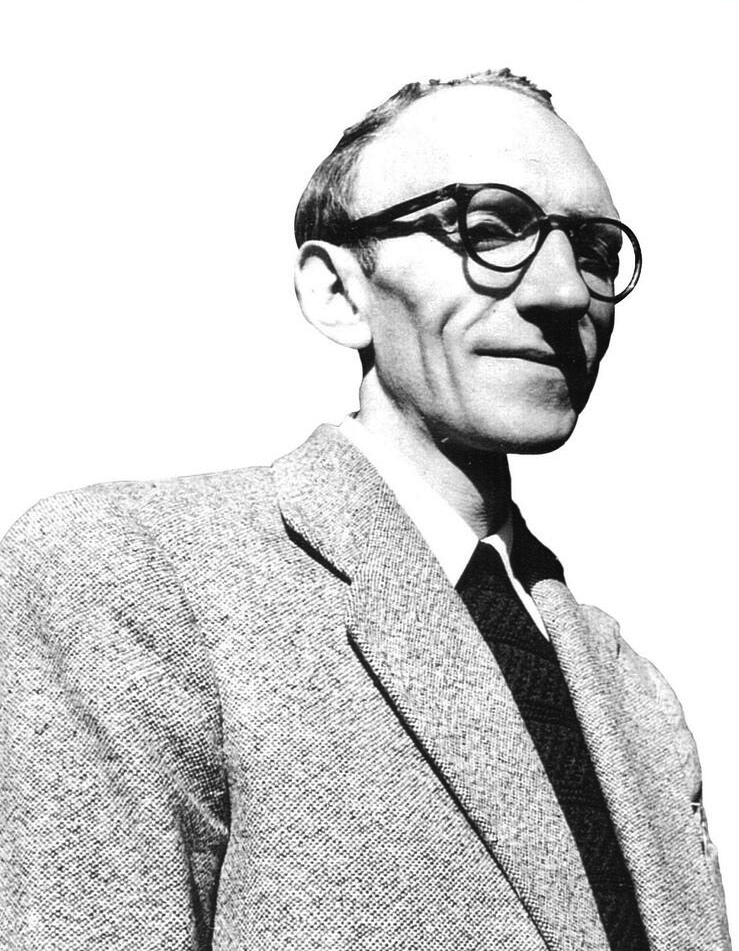
Gabriel Marcel says, ” when someone we love dies, we too die a little”. Somehow death disrupts our experience of life. Here, I wish to understand death through the thought of Maurice Blanchot, a French philosopher and literary theorist. Blanchot offers a unique perspective on the experience of death, particularly when it arrives untimely. Shakespeare’s Hamlet describes the untimely nature of death by saying , ” time has lost its joint’. We are put into broken time, According to Blanchot, death is not just an event that marks the end of life but a fundamental aspect of human existence that disrupts our understanding of time, identity, and meaning. Martin Heidegger says we are beings unto death
For Blanchot, death is not a mere occurrence at the end of life, but a constant presence, haunting our existence like a specter. It is an “unwelcome guest” that arrives without warning, shattering our plans, expectations, and sense of control. This sudden intrusion of death into our lives reveals the inherent instability and unpredictability of human existence. As living beings, we are always moving towards our death. To us, death is a disruption. To God, it is no surprise. We do not control death. Only God has sovereignty over death.
Blanchot’s concept of “the neutral” (le neutre) is particularly relevant here. The neutral refers to the ambiguous, indeterminate nature of death, which resists our attempts to categorize or make sense of it. Death is neither present nor absent, neither being nor non-being. It exists in a state of suspension, challenging our binary thinking and unsettling our understanding of the world.
The untimely arrival of death also highlights the problem of temporality. Blanchot contends that death disrupts the linear, chronological understanding on which our conventional notions of time are based. Death reveals that time is not a straight line but a complex web of past, present, and future, which are intertwined and inseparable.
Furthermore, Blanchot’s idea of “the outside” (le dehors) is crucial in understanding the experience of untimely death. The outside refers to the external, unknown forces that shape our existence, including death. Death is an outside force that intrudes upon our lives, exposing us to the unknown and the unknowable.
In conclusion, Maurice Blanchot’s thought offers a profound exploration of the experience of death, particularly when it arrives untimely. Death is not just an event but a fundamental aspect of human existence that disrupts our understanding of time, identity, and meaning. Through Blanchot’s concepts of the neutral, temporality, and the outside, we can gain a deeper understanding of the complex, unsettling nature of death and its untimely arrival.